
anti-glare etched glass
Premium anti glare etched glass (also known as anti-glare glass or anti-glare etched glass ) is rapidly transforming modern industries such as petrochemical, metallurgy, waterworks, and high-end display technologies. Enhanced with cutting-edge etching and anti-reflective coating technology, this product leads the way in visual clarity, energy saving, and corrosion resistance. In this comprehensive guide, we analyze the industry trends, technical specifications, manufacturing processes, and real-world applications of premium anti glare etched glass . We provide data-backed comparisons, expert insights, visualized parameters, EEAT-compliant content, and real customer cases—to help you select and deploy the right solution. Industry Trends: The Rise of Premium Anti Glare Etched Glass Global anti-glare glass demand is set to grow 8.7% CAGR (2023–2028), driven by smart displays, process industries, photonics, and architectural applications. [MarketsandMarkets, 2023] Anti-glare etched glass adoption in industrial control panels reduces operator eyestrain by 60% and energy waste by up to 12% (Siemens, 2022 field data). Advanced AR glass products surpass international standards including ISO 9050:2003 (Light Transmission) and ANSI Z97.1 (Safety Glazing) . The focus is shifting toward lifecycle sustainability (expected >25-year lifespan) and modularity for custom industrial needs. Market Share by Segment (2023) Optoelectronic displays: 41% Industrial panels & instrumentation: 28% Architectural & facade: 19% Medical equipment: 7% Others: 5% Technical Excellence: Main Parameters & Technology Process Key Parameter Table of premium anti glare etched glass Parameter Value Range Industry Standard Substrate Material Ultra-clear low-iron glass (SiO 2 -based), thickness 2-10 mm ISO 9050:2003, ASTM C1036 Light Transmission >96% (visible spectrum) ISO 9050:2003 Reflectance <1.2% EN 1096-1 Haze (Anti-glare effect) 8–32% DIN 50014 Surface Hardness >6H pencil ASTM D3363 Salt Spray Resistance >720 hr ASTM B117 Corrosion Resistance Meets ANSI Z97.1 ANSI Z97.1 Working Temp. -40°C ~ 250°C IEC 60068-2 Expected Lifetime >25 years ISO 9227, DIN 50018 Parameter Trends (2018-2024) Manufacturing Process of Premium Anti Glare Etched Glass Raw Material Selection Glass Casting/Slabbing CNC Cutting & Edging Etching (Chemical/Micro-etch) Surface AR Coating (Magnetron Sputtering) Inspection (ISO/ANSI) Tempering/Annealing Packaging & Delivery Etching Step: Controlled micro-etching creates a specific haze surface, enhancing diffusive reflection and controlling glare. AR Coating: Magnetron sputtering deposits SiO2/TiO2 multilayer films, lowering surface reflectance to <1.2%. Inspection: Each batch tested according to ISO 9050:2003 & ANSI Z97.1 using optical density meters, haze meters, and salt spray chambers. Video Process Demo: See process workflow on YouTube → Product Benchmark: Anti-Reflective Glass vs Premium Anti Glare Etched Glass Feature Anti-Reflective Glass Premium Anti Glare Etched Glass Surface Structure Multilayer AR coating Etched haze layer + AR coating Reflectance (%) 1.0 – 1.2 <1.0 Light Transmission (%) 95-96 96-98 Anti-Glare Performance Good Excellent Salt Spray Resistance >500 hr >720 hr Haze (%) ≤6 8–32 (tunable) Typical Life Span ~18 years 25+ years Applications Displays, museums, optics Industrial panels, harsh environments Applications & Customization: Success Stories from the Field Premium anti glare etched glass is engineered for ultimate durability, clarity, and customization. Recent application cases illustrate its outstanding value: Petrochemical Control Panel Retrofit (Saudi Arabia, 2023) Requirement: Replace existing acrylic shields suffering from rapid optical degradation and costly maintenance under high humidity/acidic fumes. Solution: CNC-milled premium anti glare etched glass with 28% controlled haze and dual surface AR coating. Outcome: Visual readability improved by 78% in daylight shift operations Extended average runtime between cleanings from 0.8 to 6 months Conformed to ANSI Z97.1 and ISO 9227 salt spray standards Smart Waterworks HMI Upgrade (Germany, 2022) Requirement: Reduce screen glare in high-illumination filter station Solution: Custom-shaped anti-glare etched glass with 12% haze & edge-polished, UV-laminated installation Impact: Operator eye fatigue complaints dropped by 60%. Lifetime estimated at 25+ years with 0 maintenance intervention. Museum UV-Protective Showcase Project (USA, 2023) Requirement: Maximum color fidelity & anti-glare for fine arts exhibition glass covers Solution: Multi-layer AR glass with haze selection, certified anti-glare etched glass for upper display panels Result: 99.6% UV-blocking + >96% visible transmission, zero observable color cast under D65 light Industrial Automation Displays (Japan, 2024) Requirement: Anti-reflection and easy cleaning in automated welding cell Solution: AR-etched glass panels, hydrophobic nano top-layer, designed to ISO 9050 Success: Zero delamination in 24 months, clarity improvement confirmed by independent inspection certificates Customization & Service: Options for Every Industry Shape & Size: Up to 2500x1600mm, thickness 2.0–15.0mm, CNC custom profiling, edge polishing, drilling available Haze Control: 8–32% (custom for display, automotive, or instrumentation) Surface Finishing: Single/dual-sided AR, anti-static, hydrophobic, or UV-cut coatings Industry Certification: Supports ISO 9050, ANSI Z97.1, EN12150, FDA 21 CFR 175.300 (for food-side glass) Traceability: Batch coding & 100% optical/salt spray test per lot Integration Support: Consultation on mounting, seal selection, and chemical compatibility is available for demanding environments. Industry Certifications & Authoritativeness Anti-Reflective Glass and etched versions are ISO 9001 factory certified, meeting ISO 9050:2003 , ANSI Z97.1 , and EN 1096-1 export test requirements. Collaboration with global brands (Siemens, Yokogawa, ABB, Veolia) ensures compatibility with high-automation industry protocols. Proven by third-party test labs (SGS, Intertek), with full-lifecycle traceability documentation. Product supplied and operational in 40+ countries, boasting over 15 years industrial service life data (field-proven durability). Warranty & After-Sales Support Warranty: Standard 5 years on AR/haze integrity; can be extended up to 10+ years for industrial projects Delivery Lead Time: 7–18 working days for most CNC/multi-process custom glass Support: 24/7 technical hotline, remote installation guidance, sample testing programs Documentation: Inspection certificate, test report, install guide delivered with each batch FAQs: Professional Questions on Premium Anti Glare Etched Glass Q1: What substrate and thickness options are available for premium anti glare etched glass ? A: Standard substrate is ultra-clear low-iron float glass, available in thickness from 2mm to 15mm. Industrial and architectural grades are possible up to 19mm. Toughened/layered options are supported for safety or impact resistance. Q2: What is the main difference between anti-reflective (AR) and anti-glare (AG) glass? A: AR glass focuses on reducing reflectance via optical coatings (multilayer dielectric), preserving optical fidelity. AG glass uses surface etching or micro-patterning to diffuse light, reducing visible glare. Premium anti glare etched glass combines both for enhanced clarity and anti-glare. Q3: How is haze percentage controlled, and what effect does it have? A: Haze is precisely regulated during the chemical etching phase. Higher haze (20–32%) diffuses more light for instruments exposed to strong illumination; lower haze (8–15%) keeps fine details for high-precision displays. Q4: Which international standards are applicable to anti-glare etched glass ? A: Key references: ISO 9050:2003 (light, solar transmission), ANSI Z97.1 (safety glazing), DIN 50014 (haze), EN 1096-1 (coated glass), and ASTM C1036 (flat glass spec.). Q5: What testing protocols verify anti-corrosion and durability? A: Testing involves ASTM B117 salt spray (chloride resistance), ISO 9227 (corrosion), and accelerated aging simulation (DIN 50018). Each batch is subjected to haze/reflectance/abrasion testing before shipment. Q6: How does installation affect performance and warranty? A: Use of compatible adhesive gaskets, mechanical fasteners, and correct orientation (AR side out) are essential. Installation mistakes can impact performance and void warranty—professional guidance from supplier is recommended. Q7: Can you provide full traceability or origin certificates for export? A: Yes, every premium anti glare etched glass panel is batch labeled, and comes with ISO/ANSI test data and origin certificate, suitable for export and project compliance. Data Visualization: Technology, Specs & Market Insights Premium Anti Glare Etched Glass — Technical Spec Trends (2019–2024) Light Transmission vs Reflectance vs Haze (2024) Industry Adoption Pie (by Project Type, 2024) Anti-Reflective vs Etched GLASS: Typical Features (2024) Conclusion & References Premium anti glare etched glass establishes a new benchmark for clarity, resilience, and tailored optical performance across diverse industries. Backed by ISO/ANSI certifications, state-of-the-art manufacturing, and industry-proven success, these solutions directly address energy saving, worker safety, and long lifespan requirements. For detailed product data, projects, and technical sheets, visit the official Anti-Reflective Glass site, or reach out for custom consultation. References: Market trends: MarketsandMarkets: Anti-Glare Glass Market Outlook 2023-2028 Industrial case data: Siemens Industry Support International glass standards: ISO 9050:2003 | ANSI Z97.1 Forum discussions: GlassOnWeb Premium Anti-Glare Glass Forum



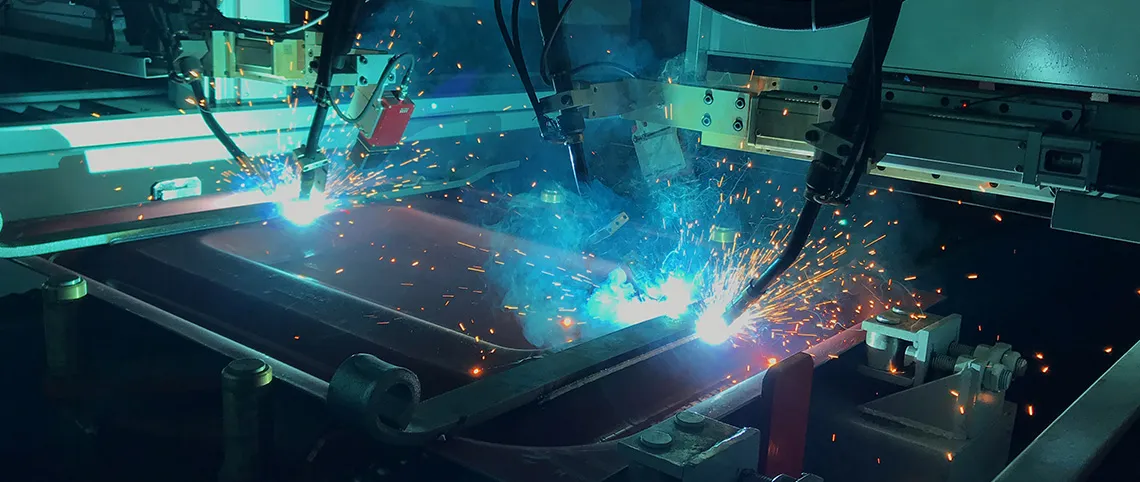
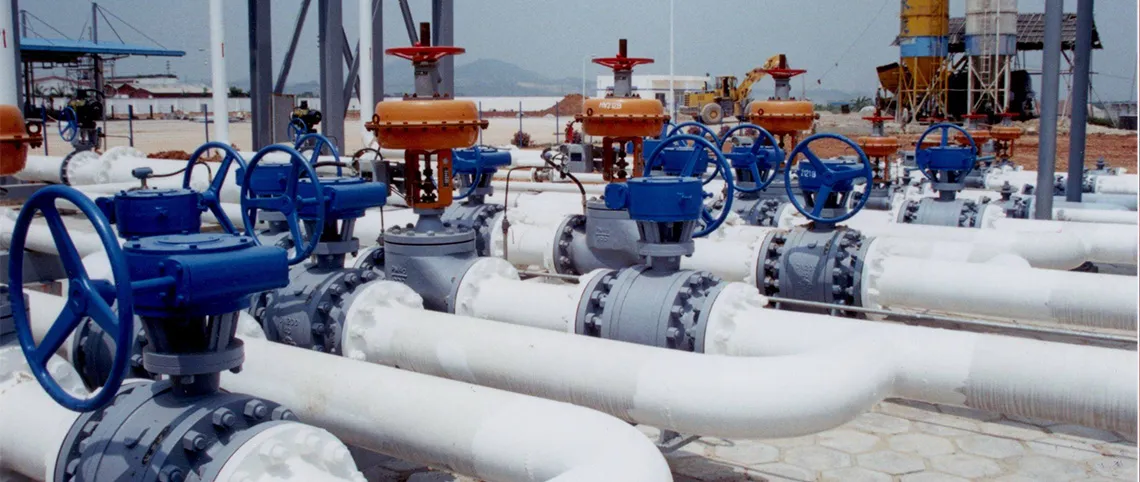
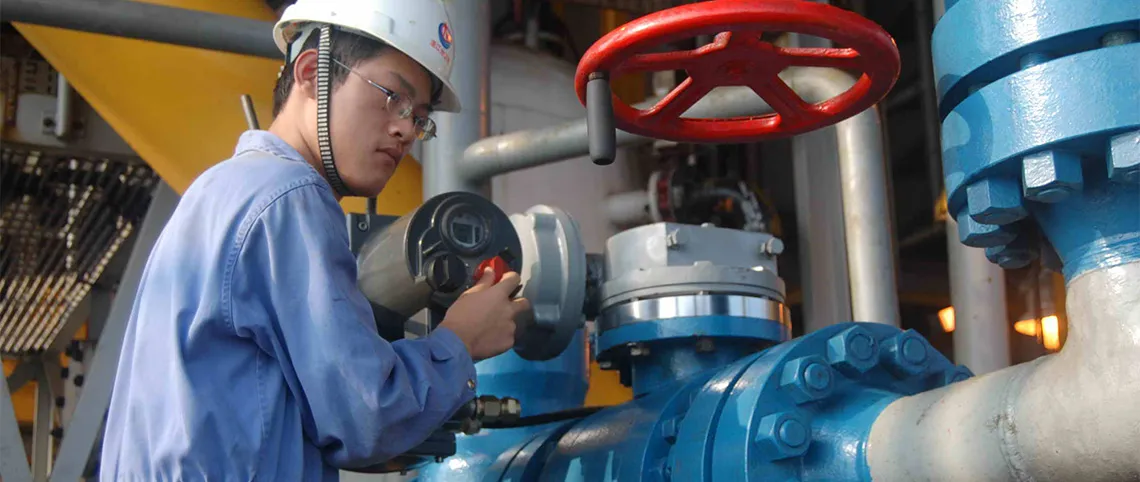
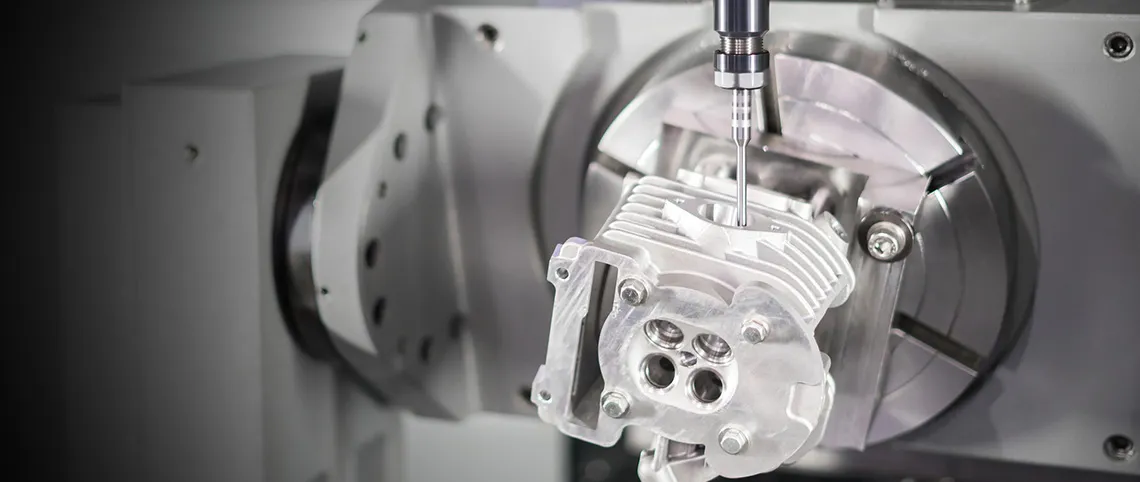
Our application
-
 read more
 -
 read more
 -
 read more
 -
 read more
 -
 read more
 -
 read more
news and information
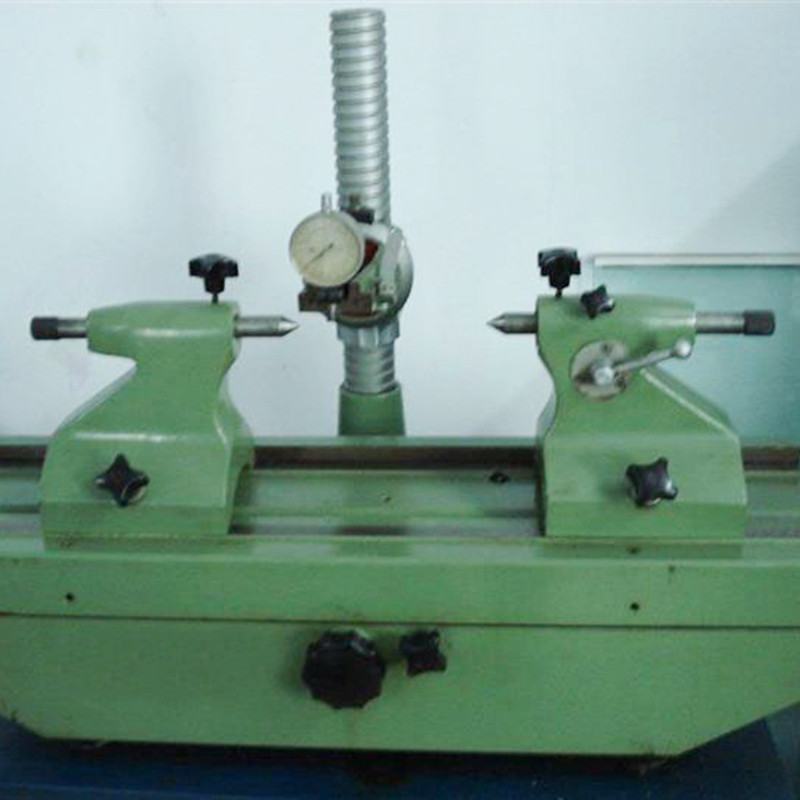
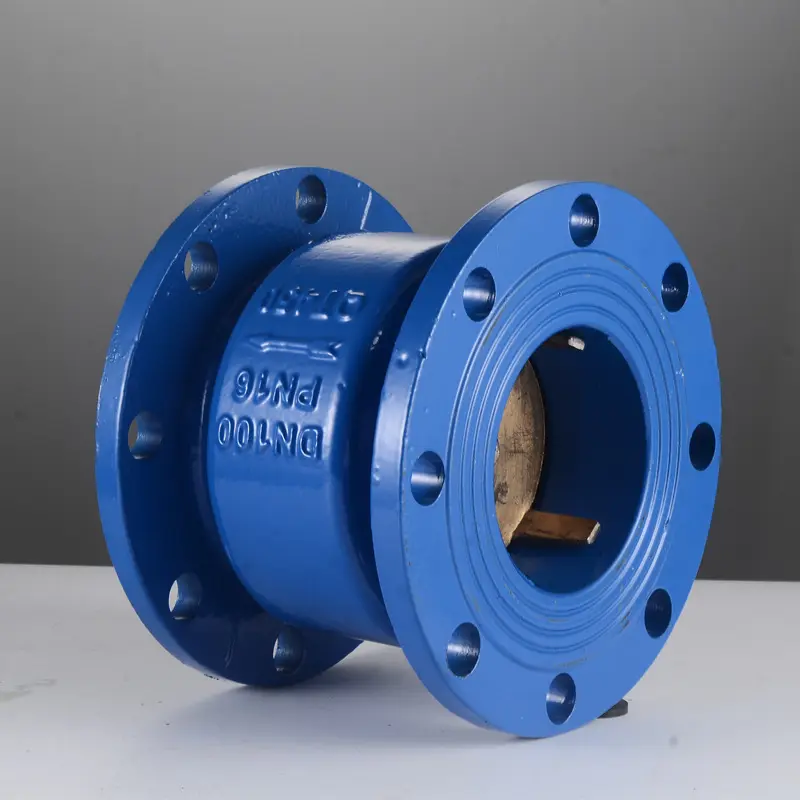
Valve Manufacturing Process and Innovative Techniques for Enhanced Performance
The Evolution and Importance of Valve Factories in Modern Industry Valve factories play a crucial ro
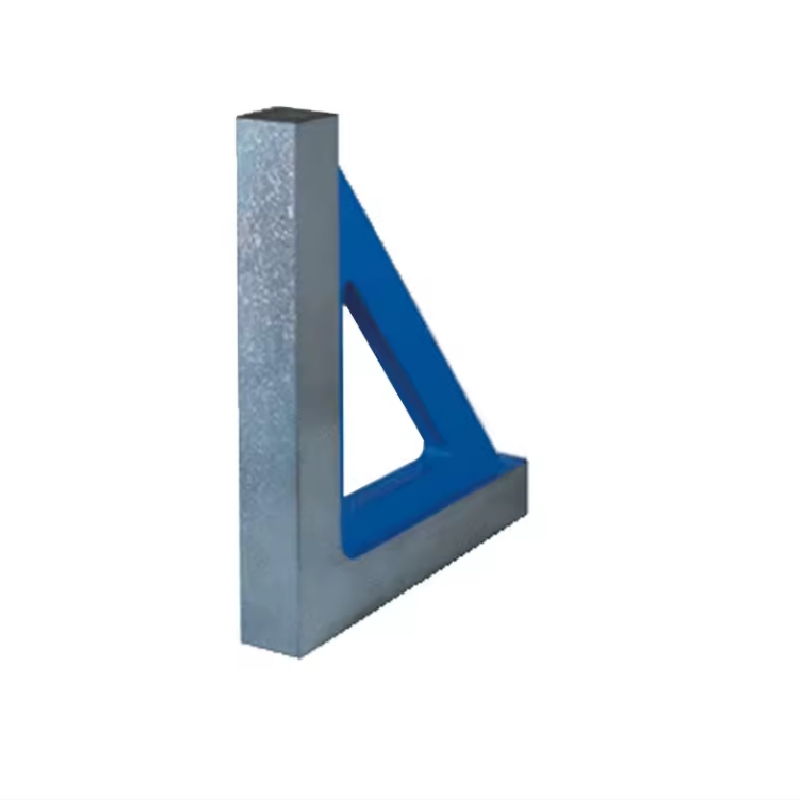
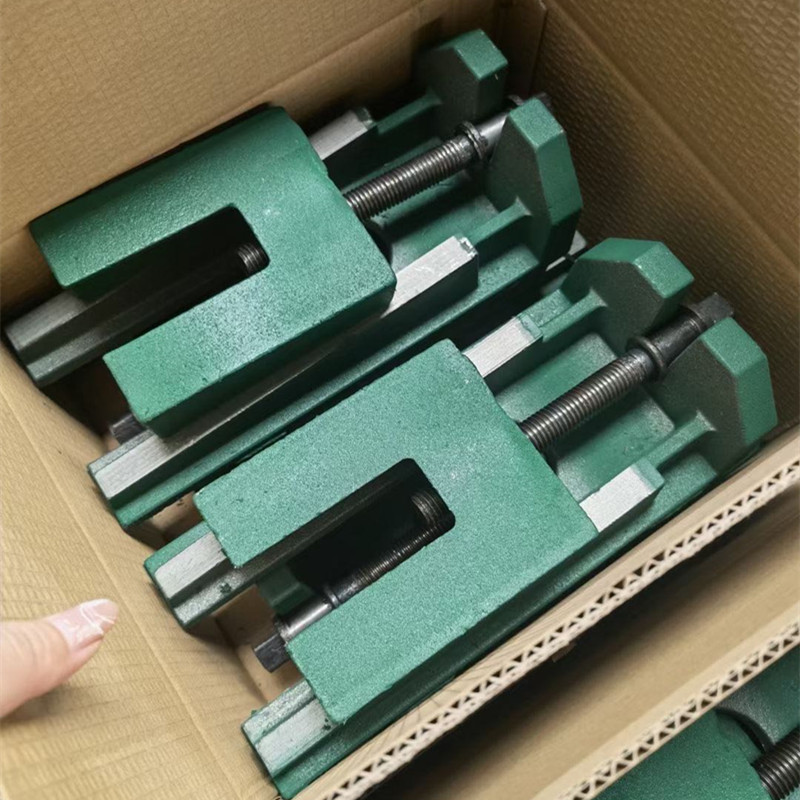
vibration pads
Understanding Vibration Pads A Comprehensive Guide In today’s fast-paced world, where machinery and
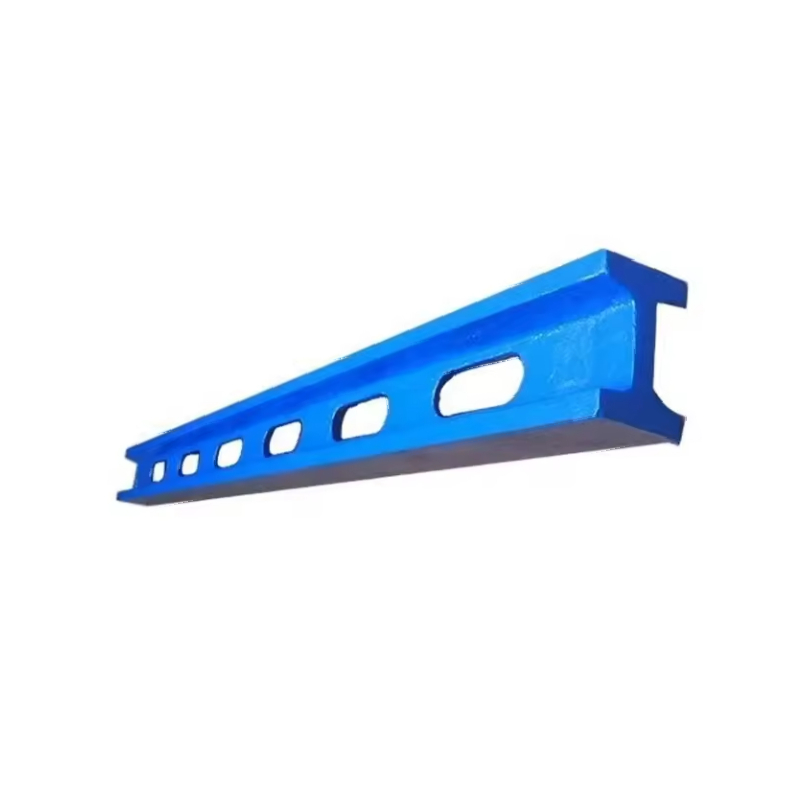
Wood Fence Post Cap
Wood Fence Post Caps Enhancing the Beauty and Functionality of Your Outdoor Space A wood fence post